Key Takeaways
- Modern homes are shifting toward integrated safety features that are built into the design rather than added as afterthoughts, creating more seamless and functional living spaces for families.
- Durable, easy-to-clean materials like engineered wood, quartz, and washable fabrics help homes withstand daily wear while maintaining a stylish, modern look.
- Flexible and modular furniture allows spaces to adapt as children grow, reducing the need for frequent replacements and supporting long-term practicality.
- Smart storage solutions play a key role in reducing clutter, improving safety, and helping children develop organization habits in shared family spaces.
- Kitchens and bathrooms are being redesigned with child safety in mind, incorporating features like soft-close systems, anti-slip flooring, and temperature controls.
- Open layouts and thoughtful zoning improve visibility and supervision while still allowing children to play, learn, and explore freely within safe boundaries.
- Smart home technology is increasingly used to enhance monitoring, security, and convenience for families, improving overall household safety and efficiency.
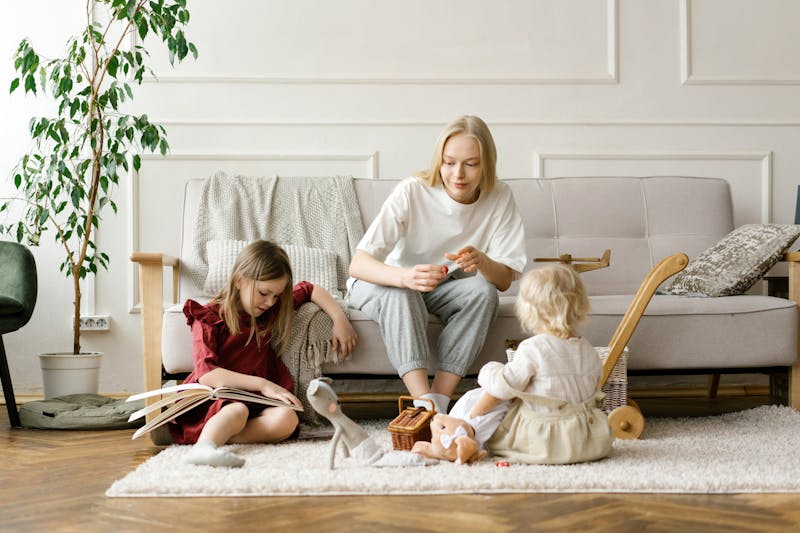
Homes today are doing far more than providing shelter. They are expected to support learning, play, rest, and family bonding—all while ensuring safety remains a top priority. As modern families evolve, so do their expectations for interior spaces. Parents are no longer choosing between beautiful design and practical safety; instead, they are looking for ways to combine both into a seamless living experience.
Kid-friendly home design has become one of the most important movements in modern interior planning. It reflects a deeper understanding that children interact with their environment constantly, and every surface, corner, and layout choice can influence their well-being. From flooring that prevents injuries to furniture that grows with a child, today’s homes are becoming more adaptive, intuitive, and responsive.
This shift is also being driven by lifestyle changes. Families are spending more time indoors, homes are doubling as workspaces and learning hubs, and parents are prioritizing long-term value in design decisions. As a result, modern kid-friendly homes are not only safer but also more functional, sustainable, and visually appealing.
What makes a modern kid-friendly home design different?
Traditional home design often treated children’s needs as an afterthought. Safety features were added later, and play areas were confined to specific rooms. Today, the approach is more integrated and intentional.
Modern kid-friendly homes prioritize:
- Safety is built into the foundation of design rather than added as an upgrade
- Flexible spaces that adapt as children grow
- Materials that are durable, washable, and non-toxic
- Layouts that encourage visibility and supervision without restriction
- Multi-purpose areas that support both play and learning
This evolution reflects a broader understanding of how children interact with their environment. Instead of limiting movement, modern design encourages safe exploration while maintaining structure and order.
Another key difference is the emphasis on aesthetics. Parents no longer want homes that look overly “childish” or cluttered. Instead, they prefer neutral, modern interiors that can subtly accommodate children’s needs without compromising style.
Why safety and style now go hand in hand
In the past, safety features often came at the expense of design. Baby gates, foam bumpers, and plastic coverings were considered necessary but visually unappealing. Today, manufacturers and designers have reimagined these elements to blend seamlessly into modern interiors.
For example:
- Rounded-edge furniture is now designed with sleek, minimalist finishes
- Safety gates come in wood, metal, or transparent materials that match the decor
- Non-slip flooring options are available in luxury wood or stone finishes
- Hidden storage solutions maintain clean visual lines while reducing hazards
This merging of safety and style allows families to maintain a cohesive interior design while ensuring children are protected. It also reflects a shift in consumer expectations—families want homes that feel intentional, not improvised.
The result is a new design philosophy: safety is no longer visible as an add-on but embedded into the architecture itself.
What materials work best for kid-friendly homes?
Material selection plays a crucial role in creating safe and durable living spaces. Families with children require surfaces that can withstand spills, scratches, and daily wear while remaining easy to maintain.
Some of the most popular choices include:
- Engineered wood flooring
Offers the look of hardwood with improved resistance to moisture and scratches. - Vinyl flooring with cushioned backing
Soft underfoot and ideal for reducing impact during falls. - Quartz countertops
Non-porous, stain-resistant, and highly durable for kitchens and bathrooms. - Washable wall paint finishes
Allows easy cleaning of fingerprints, marks, and stains without damaging the surface. - Microfiber upholstery fabrics
Resistant to spills and easier to clean compared to traditional textiles.
These materials are not only practical but also align with modern design preferences. They allow homeowners to maintain a polished, contemporary look without sacrificing durability.
Choosing the right materials is often the first step in ensuring long-term comfort and reduced maintenance stress in family homes. More importantly, these choices help create a healthier living environment by minimizing exposure to harmful chemicals and improving indoor air quality for growing children.
How furniture is evolving for families with kids
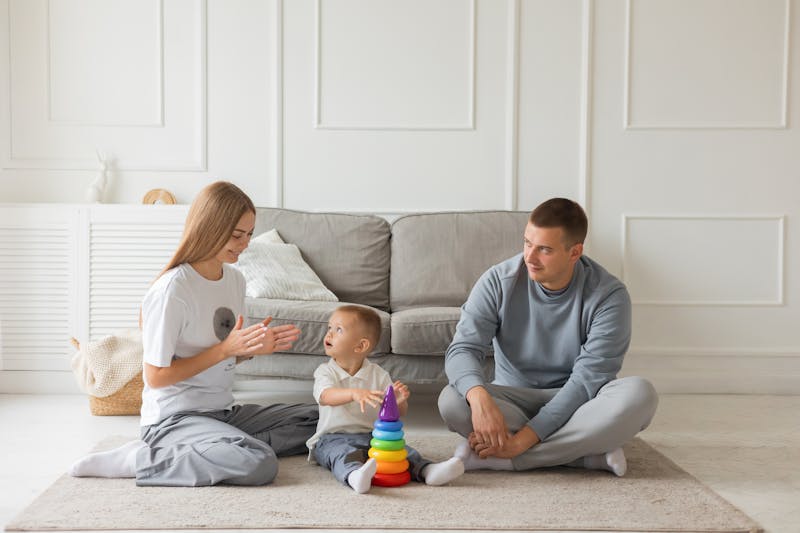
Furniture design has undergone a major transformation in recent years, especially in homes with children. Instead of static, single-purpose pieces, modern furniture is increasingly modular and adaptable.
Key trends include:
- Convertible cribs that transform into toddler and full-size beds
- Extendable dining tables that adjust to family size or gatherings
- Sofas with removable, washable covers for easy maintenance
- Storage-integrated seating, such as ottomans and benches
- Adjustable desks for children of different ages
These innovations help families maximize space while reducing clutter. They also support long-term cost savings, as furniture can evolve with a child’s growth rather than being replaced frequently.
In addition, ergonomic design is becoming more important. Chairs, desks, and study stations are now designed to support proper posture from an early age, encouraging healthier habits.
Why storage design matters more than ever
One of the biggest challenges in kid-friendly homes is managing clutter. Toys, books, school supplies, and clothing can quickly accumulate, making spaces feel chaotic and unsafe.
Modern storage solutions address this issue through thoughtful design:
- Built-in cabinetry that blends with the wall architecture
- Under-bed storage drawers for seasonal or rarely used items
- Floating shelves to keep floors clear
- Labelled bins and baskets to encourage organization habits
- Hidden compartments in furniture for discreet storage
A well-organized home is not just visually appealing—it also reduces hazards like tripping or falling objects. It encourages children to develop responsibility for their belongings while maintaining order in shared spaces.
When storage is designed effectively, it becomes part of the home’s structure rather than an afterthought.
Kitchen safety and functionality for families
The kitchen is one of the most active and potentially dangerous areas in any home with children. As a result, modern design trends focus heavily on improving both safety and accessibility.
Common improvements include:
- Induction cooktops that remain cool to the touch
- Soft-close drawers and cabinets to prevent finger injuries
- Locked storage for sharp tools and cleaning supplies
- Rounded countertop edges to reduce impact injuries
- Dedicated snack zones at lower heights for older children
Open-plan kitchens also allow parents to supervise children while cooking, making the space more interactive and family-oriented.
In many modern households, the kitchen has become a central gathering area where children can safely engage in activities while remaining within sight.
This balance between functionality and safety is essential for modern family living.
How bathroom design supports child safety
Bathrooms are another high-risk area for children, especially due to slippery surfaces and water exposure. Modern design trends are addressing these risks through subtle yet effective improvements.
Key features include:
- Anti-slip tiles and textured flooring
- Thermostatic faucets that prevent scalding
- Step stools integrated into vanity designs
- Soft-close toilet seats and drawers
- Lower towel racks and accessible storage for children
Lighting also plays an important role. Bright, well-distributed lighting helps reduce accidents, while motion-sensor lights can improve nighttime safety.
The goal is to create a bathroom environment that encourages independence while minimizing risk.
Creating safe and engaging play spaces
Children need dedicated spaces where they can play freely, but these areas must be carefully designed to ensure safety and visibility.
Modern play space design focuses on:
- Soft flooring, such as foam tiles or carpets with padding
- Multi-use rooms that can transition between play and study
- Built-in toy storage to reduce clutter
- Clear sightlines for parental supervision
- Wall-mounted activity panels to save space
Rather than isolating play areas, many homes now integrate them into living rooms or shared spaces. This allows children to remain connected to family activities while still having a designated zone for creativity and exploration.
How smart home technology improves child safety
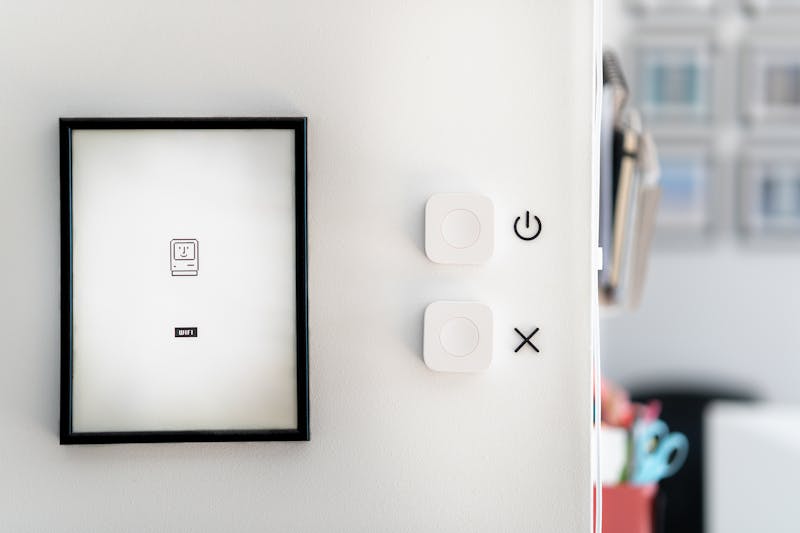
Technology is playing an increasingly important role in family home design. Smart systems allow parents to monitor, control, and enhance home safety more effectively than ever before.
Popular smart home features include:
- Video baby monitors with remote access
- Smart locks for controlled entry and exit
- Voice-activated lighting and appliances
- Motion sensors for nighttime navigation
- App-controlled thermostats for comfort and safety
These systems provide peace of mind while also promoting independence for older children. For example, smart locks can allow secure access without traditional keys, reducing the risk of loss or duplication.
As technology becomes more integrated, homes are evolving into responsive environments that adapt to family needs in real time.
Sustainability in kid-friendly home design
Modern families are increasingly concerned about environmental impact. Sustainable design is, therefore, becoming a core part of kid-friendly home planning.
Key sustainable practices include:
- Using low-VOC paints to improve indoor air quality
- Choosing sustainably sourced wood and materials
- Installing energy-efficient lighting and appliances
- Incorporating natural ventilation to reduce energy consumption
- Using recycled or upcycled furniture where possible
Sustainable homes not only reduce environmental impact but also contribute to healthier indoor environments for children. Reduced chemical exposure and improved air quality are especially important for growing families.
This aligns with a broader shift toward long-term thinking in home design.
How layout planning shapes daily family life
The layout of a home has a direct impact on how families interact and move through spaces. In modern kid-friendly design, layout planning focuses on openness, visibility, and flow.
Common strategies include:
- Open-concept living areas that connect the kitchen, dining, and lounge spaces
- Clear zoning between active and quiet areas
- Strategic furniture placement to create safe pathways
- Wide walkways to reduce congestion and accidents
- Flexible rooms that can serve multiple purposes
A well-planned layout allows parents to supervise children more easily while maintaining functionality for other household activities.
Interestingly, thoughtful layout design often becomes one of the most important home improvement decisions families make when planning long-term living spaces.
What mistakes should families avoid?
Even with the best intentions, some design mistakes can reduce safety and comfort in family homes.
Common pitfalls include:
- Overcrowding rooms with furniture, reducing mobility
- Choosing fragile décor that breaks easily
- Ignoring the future growth needs of children
- Using slippery flooring without safety treatments
- Poor lighting in key areas like stairs and hallways
Avoiding these mistakes requires forward-thinking design. Homes should be built not just for current needs but for how the family will evolve over time.
Budget-friendly ways to improve kid-friendly design
Creating a safe and functional home does not always require a large budget. Many improvements can be made incrementally.
Practical budget tips include:
- Adding corner guards and safety locks first
- Repainting walls with washable finishes
- Rearranging furniture for better flow and visibility
- Using storage baskets instead of custom cabinetry
- Upgrading lighting in high-traffic areas
Small improvements can have a significant impact on safety and usability without requiring full renovations.
What’s next for kid-friendly home design?
The future of home design is moving toward even greater integration of technology, sustainability, and adaptability. Homes will continue to evolve into intelligent environments that respond to family needs automatically.
Emerging trends include:
- AI-assisted home monitoring systems
- Modular architecture that allows room reconfiguration
- Increased use of eco-friendly composite materials
- Advanced child safety sensors embedded in furniture
- Personalized lighting and environmental controls
These innovations will continue to redefine how families experience their living spaces.
Conclusion
Modern kid-friendly home design is no longer a niche concept—it is becoming the standard for thoughtful, future-ready living. By combining safety, flexibility, sustainability, and style, families can create homes that support both childhood development and everyday comfort.
As design continues to evolve, the focus will remain on creating spaces that are not only visually appealing but also deeply functional for every member of the household.
