
Every family deserves a home that serves as a peaceful sanctuary from the outside world. True domestic comfort extends far beyond interior decoration, stylish furniture, or aesthetically pleasing wall colors. At its core, a cozy home relies on the smooth operation of essential underlying systems that regulate temperature, supply clean water, manage energy usage, and protect inhabitants from harsh environmental elements. When these fundamental components break down or operate inefficiently, the daily harmony of household life can quickly deteriorate into stress, financial strain, and physical discomfort. Taking a proactive approach to house maintenance ensures that small operational glitches do not transform into catastrophic failures. By investing time, attention, and resources into timely home repairs, family members can enjoy consistent warmth during chilling winters, refreshing coolness during scorching summers, and dependable utility services throughout the entire year.
Maintaining a house requires continuous vigilance, thoughtful planning, and an understanding of how various structural and mechanical components interact with one another. Many homeowners mistakenly wait for complete mechanical breakdowns before seeking professional intervention, leading to unnecessary emergency expenses and extended periods of household disruption. Developing a comprehensive repair strategy allows families to protect their property values while creating a safe, healthy, and nurturing environment for children and adults alike. Through regular system evaluations, seasonal checks, and immediate remediation of minor faults, you can optimize household energy efficiency, minimize long-term operational costs, and cultivate an atmosphere of absolute reliability and comfort.
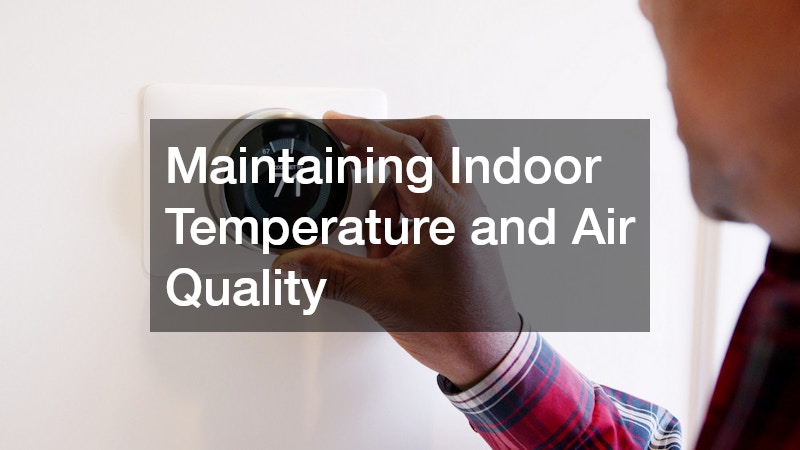
Maintaining Indoor Temperature and Air Quality’
Optimizing Summer Cooling Efficiency
During the hottest months of the year, maintaining a cool and refreshing indoor environment is essential for family health and daily productivity. When cooling equipment begins to blow warm air, produces strange rattling noises, or short-cycles frequently, immediate technical intervention becomes necessary. Scheduling professional AC repair can quickly resolve refrigerant leaks, restore electrical connections, and clean clogged condenser coils before full system failures occur. Regular tune-ups prior to peak summer heat ensure that cooling units run at peak efficiency, preventing sudden surges in monthly electric bills and preserving indoor thermal balance.
In addition to addressing active mechanical faults, homeowners should establish routine maintenance habits that support overall system longevity and performance. Simple actions performed on a monthly schedule can dramatically improve household cooling performance:
-
Replace disposable air filters every thirty to sixty days to prevent dust buildup and promote unhindered airflow throughout the home.
-
Clear away dried leaves, overgrown vegetation, and yard debris from around outdoor condenser units to ensure adequate ventilation.
-
Inspect thermostat settings and calibrate programmable devices to align with family daily routines and sleep schedules.
-
Inspect exposed condensate drain lines for blockages or standing water to prevent moisture damage and indoor mold growth.
Partnering with a reliable local hvac contractor gives home owners access to specialized diagnostic tools and expert guidance tailored to their regional climate challenges. Professional technicians possess the technical expertise required to evaluate air handler balance, verify thermostat accuracy, and recommend suitable equipment upgrades when aging systems reach the end of their operational lifespans.
Preparing Heating Systems for Cold Weather
Winter temperatures demand dependable heating equipment that can consistently maintain warm indoor temperatures without posing safety hazards to family members. Delaying necessary heating repairs until freezing weather arrives can leave households vulnerable to ice-cold indoor conditions and frozen water pipes. Annual inspections of furnaces, heat pumps, and boiler systems allow certified technicians to detect cracked heat exchangers, faulty igniters, or worn blower belts before they disrupt family life.
To prepare heating systems for winter operation, families should follow several key maintenance steps:
-
Test home carbon monoxide detectors and replace backup batteries to safeguard against invisible combustion gas leaks.
-
Ensure all supply and return vents remain open and unobstructed by heavy drapery, carpets, or household furniture.
-
Bleed air from hot water radiators to eliminate cold spots and ensure even heat distribution across every living space.
-
Inspect pilot light flames on gas appliances to verify that they burn a steady, clean blue color rather than a flickering yellow.
Enhancing Airflow and Ductwork Cleanliness
Indoor air quality plays an enormous role in family wellness, particularly for household members who suffer from seasonal allergies or respiratory conditions. Over time, air ducts collect significant amounts of dust, pet dander, mold spores, and airborne particulates that circulate repeatedly through living spaces. Sealing air duct joints with specialized mastic sealant prevents conditioned air from leaking into unconditioned attic spaces, thereby reducing energy waste and maintaining consistent air volume across every room.
To maximize ventilation efficiency and maintain healthy indoor air:
-
Arrange professional duct cleaning every three to five years to remove accumulated dust, debris, and potential allergens.
-
Install high-efficiency particulate air filters within main return air grilles to capture microscopic contaminants.
-
Keep indoor humidity levels between thirty and fifty percent using whole-house humidifiers or dehumidifiers to discourage mold proliferation.
Safeguarding Home Water and Plumbing Reliability
Addressing Pipe Leaks and Water Pressure Issues
A well-functioning plumbing system provides clean water for cooking, cleaning, and bathing while safely transporting wastewater away from the residence. Even small, hidden leaks behind drywall or beneath foundation slabs can cause massive structural decay, toxic mold growth, and inflated water utility bills over time. Engaging experienced residential plumbers allows homeowners to locate hidden pipe corrosion, replace deteriorating copper or galvanized lines, and install modern pressure-reducing valves to protect fixtures from excess line pressure.
Maintaining proper water flow requires regular attention to fixture performance and pipe integrity across the entire property. Key actionable maintenance procedures include:
-
Inspect faucet aerators and showerheads periodically for mineral scale buildup and soak them in vinegar solutions to restore full water pressure.
-
Check under kitchen sinks and bathroom vanities for dampness, water rings, or small drips around shutoff valves.
-
Test main water shutoff valves annually to ensure they operate smoothly in the event of an emergency pipe burst.
-
Insulate exposed water pipes in unheated crawlspaces and garages to guard against expansion and rupture during winter freezes.
Enlisting professional plumbing services ensures that complex drain cleaning, sewer line inspections, and water heater servicing are conducted according to strict local building codes. Expert plumbers utilize video camera diagnostics to locate stubborn tree root intrusions within underground main drains, allowing for precise, non-invasive remediation before costly backups impact household hygiene.
Securing Private Water Supply and Pump Infrastructure
For rural and suburban properties that rely on private groundwater wells, maintaining reliable water delivery requires specialized mechanical oversight. Mechanical failure in pumping hardware can suddenly leave a household without running water for drinking, sanitation, and cooking. Scheduling prompt well pump service ensures that pressure tanks maintain proper air-water ratios, pressure switches function cleanly, and submersible pumps deliver steady water volume without straining electrical circuits.
Homeowners utilizing private well systems can preserve water quality and pressure by executing these routine maintenance checks:
-
Monitor water pressure gauge readings on the pressure tank to detect short-cycling or delayed pump activation.
-
Inspect the sanitary well cap above ground to confirm it remains tightly sealed against insects, surface runoff, and debris.
-
Test water storage pressure tanks for internal bladder failure by checking for water discharge at the air charge valve.
-
Schedule yearly laboratory water testing to screen for harmful bacteria, nitrates, and dissolved mineral contaminants.
Planning for Long-Term Underground Water Access
When aging wells experience declining water yield, persistent sediment intake, or water table fluctuations, major infrastructural upgrades may become necessary to secure long-term water independence. Investing in professional water well drilling provides homeowners with deeper, more reliable access to clean aquifers capable of satisfying modern family consumption needs. Proper well site selection, professional casing installation, and advanced filtration integration guarantee a sustainable water supply for decades to come.
To maximize the lifespan and purity of a private water supply system:
-
Maintain a clean buffer zone of at least one hundred feet around the wellhead free from chemical fertilizers, pesticides, and animal waste.
-
Avoid dumping hazardous liquids, engine oil, or harsh solvents into household drains that discharge near shallow aquifer recharge zones.
-
Install multi-stage water filtration and softening systems to neutralize acidic water and remove harsh mineral deposits that age household plumbing.
Elevating Thermal Insulation and Energy Efficiency

Sealing Building Envelope Leaks Around Attic and Walls
A home’s thermal envelope acts as a protective blanket that keeps heat inside during winter and repels extreme outdoor heat during summer months. Inadequate attic insulation and air leaks around ceiling penetrations force heating and cooling equipment to run continuously, driving up power bills and creating uncomfortable drafts. Hiring a qualified insulation contractor allows homeowners to identify thermal bridging, add blown-in cellulose or fiberglass material, and seal rim joists for superior temperature control.
Improving building insulation and sealing air gaps requires a systematic approach to structural efficiency:
-
Apply expander foam sealant around attic hatch doors, ceiling light fixtures, and plumbing stack penetrations to stop air leakage.
-
Check existing attic insulation depth to ensure it meets recommended regional thermal resistance values.
-
Install weatherstripping and door sweeps around exterior entry doors to eliminate noticeable floor-level drafts.
-
Seal gaps around basement sill plates and foundation rim joists using spray foam insulation to stabilize floor temperatures.
Solar Heat Reduction for Glass Windows and Doors
Windows offer natural light and views of the surrounding outdoors, but unconditioned glass panes can admit massive amounts of solar radiation during sunny afternoon hours. Excessive solar heat gain forces air conditioners to work overtime and causes interior fabrics, flooring, and furniture to fade prematurely. Applying professional residential window tinting reduces solar heat entry, filters damaging ultraviolet rays, and improves privacy without sacrificing outdoor views or natural indoor illumination.
Homeowners can optimize window performance and solar control through several practical methods:
-
Select high-performance solar control films rated for significant ultraviolet rejection and low visual reflectivity.
-
Clean window glass thoroughly before film application to eliminate dust particles that cause bubbles and peeling over time.
-
Combine window films with thermal insulating curtains or cellular shades for flexible light control across changing seasons.
-
Inspect perimeter window caulking on exterior frame joints to prevent wind-driven rain infiltration.
Strengthening Exterior Structural Integrity and Storm Defense

Fortifying Openings Against Severe Weather Elements
Severe storms, intense wind events, and flying debris pose significant threats to home safety, structural stability, and indoor comfort. Standard glass windows can easily shatter under high wind pressure or impact, exposing interior living spaces to destructive wind-driven rain and pressure changes. Installing certified hurricane-resistant windows fortifies exterior walls against impact, reduces exterior noise transmission, and drastically lowers the risk of catastrophic storm damage during severe weather events.
To protect window openings and exterior walls from severe storm impacts:
-
Choose impact-rated multi-pane glass units constructed with heavy-duty aluminum or reinforced vinyl frames.
-
Ensure professional anchor installation directly into structural wall framing to withstand high positive and negative wind pressures.
-
Regularly inspect frame sealant beads and replace cracked or weathered silicone to maintain airtight and watertight seals.
-
Maintain clear operation of multi-point locking mechanisms on impact doors and windows through routine lubrication.
Performing Routine Roof and Siding Checks
The exterior shell of your residence serves as the primary barrier against rain, snow, hail, and extreme temperatures. Neglecting minor roof shingle damage or loose exterior siding panels can allow water to penetrate structural sheathing, leading to hidden rot and compromised insulation performance. Conducting twice-yearly visual inspections of roof lines, flashing, and siding allows families to address minor exterior repairs before moisture causes extensive interior wall damage.
Proactive steps to maintain exterior weather barriers include:
-
Clean rain gutters and downspouts twice annually to ensure unobstructed drainage away from foundation walls.
-
Re-caulk exterior penetrations around dryer vents, outdoor electrical boxes, and hose bibbs to prevent pest and water entry.
-
Replace cracked, curled, or missing asphalt roof shingles immediately following major windstorms.
-
Trim overhanging tree branches back from rooflines to prevent physical scraping damage and gutter clogs.
Investing in continuous home repairs and preventive system maintenance is one of the most effective strategies for securing long-term family comfort, financial peace of mind, and property security. By treating your living space as an interconnected series of vital systems, you can address minor mechanical glitches, thermal leaks, and plumbing issues before they escalate into major household emergencies. From preserving indoor climate control and air quality to safeguarding clean water supplies and fortifying structural envelopes, every targeted repair contributes to a safer, more welcoming environment.
A well-maintained home ultimately yields significant dividends in lower monthly utility bills, extended equipment lifespans, and enhanced daily quality of life for every family member. Rather than waiting for critical mechanical failures to dictate your schedule and budget, take a proactive role in managing your residence through seasonal maintenance, expert professional partnerships, and timely structural upgrades. Through diligent care and thoughtful repair strategies, you can transform your house into an enduring sanctuary of warmth, security, and effortless comfort for years to come.
