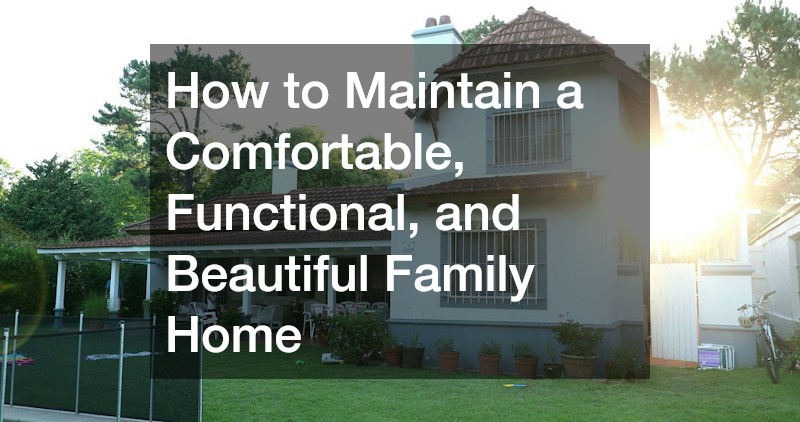
A comfortable family home isn’t defined by expensive finishes or a perfectly organized schedule. It’s a place where everyday activities feel manageable, rooms serve their occupants, and maintenance problems receive attention before they become major disruptions. Creating that kind of environment requires a thoughtful combination of cleaning, repairs, interior updates, and outdoor care. The most effective approach begins with understanding how your household actually lives rather than following every passing design trend.
Some improvements help immediately, such as clearing clutter or improving privacy. Others protect your investment over time, including caring for the roof, maintaining siding, and keeping trees away from vulnerable structures. By dividing responsibilities into realistic projects, families can create a home that looks inviting without sacrificing convenience. These eight areas offer a starting point for making your property more enjoyable throughout the year.
Establish a Realistic Cleaning Routine
A welcoming household doesn’t have to look spotless every moment. Instead, aim for systems that prevent ordinary messes from turning into overwhelming projects. Assign frequently used items a consistent storage location, place baskets near entrances, and encourage everyone to complete small tasks before leaving a room. Five minutes of daily tidying can reduce time spent on a larger weekend reset.
Focus first on spaces that affect comfort and hygiene, including kitchens, bathrooms, and shared living areas. Wipe frequently touched surfaces, handle food spills promptly, and vacuum high-traffic floors according to the needs of your household. Keeping cleaning products together in a secure location helps adults work efficiently while preventing children and pets from accessing potentially harmful substances.
For households balancing work, school, and other commitments, home cleaning services can supplement a manageable routine. Professionals may assist with deeper cleaning, hard-to-reach areas, or occasional preparation before guests arrive. Consider which chores consume the most time and ask what the service includes before scheduling a visit.
An effective routine also needs flexibility. Busy seasons, illnesses, and changing family schedules may require different priorities. Rather than treating every unfinished chore as a setback, concentrate on maintaining sanitary surfaces, safe walkways, and comfortable places to gather. A practical system is one the entire household can sustain.

Improve Window Performance and Comfort
Windows influence how rooms look, feel, and function throughout the day. Natural light can make common areas feel more open, while drafts, glare, and limited privacy can make otherwise attractive spaces uncomfortable. Begin by checking whether windows open smoothly, close securely, and show signs of moisture or deteriorating seals. Small maintenance issues may be easier to resolve before they affect surrounding finishes.
Well-chosen coverings help households adjust light and privacy without changing the room’s layout. Window treatment services can help homeowners evaluate blinds, shades, curtains, and other options based on cleaning requirements, light control, and room use. In bedrooms, room-darkening coverings may make rest easier. In shared spaces, adjustable shades can reduce glare while preserving natural light.
When windows are damaged or difficult to operate, replacement may be worth discussing with a qualified installer. Double hung window installations are one option for families seeking windows with two vertically moving sashes. Depending on the product, this configuration can offer flexible ventilation and easier access for cleaning. Compare energy performance, safety features, maintenance needs, and installation requirements before making a decision.
Remember that window safety matters as much as appearance. Choose cordless coverings or designs without accessible operating cords in homes with young children, and use appropriate window guards where needed. A thoughtful window upgrade should make daily life easier while supporting the room’s overall style.
Choose Flooring That Supports Daily Life
Floors endure constant wear from shoes, toys, pets, spills, and moving furniture. The right flooring should suit each room’s purpose rather than simply match a preferred color. Soft surfaces can make bedrooms feel cozy, while durable, easy-to-clean materials often work better in entrances and busy family areas. Think about moisture exposure, cleaning frequency, and the needs of children or relatives who may have difficulty walking on slippery surfaces.
If carpet is the preferred option, talk with a local carpet company about fiber types, pile heights, padding, and stain resistance. Request samples and observe how different colors look under your home’s lighting. A floor that looks appealing in a showroom may appear different beside existing walls, furniture, and trim.
Before replacing flooring, inspect the underlying surface for uneven sections, persistent moisture, or damage. Installing new material over an unresolved problem may lead to additional costs later. Ask about preparation requirements, installation timelines, ventilation during work, and appropriate care after the project is finished.
Small details help new floors stay attractive. Place mats near exterior doors, use furniture pads, clean spills promptly, and follow manufacturer recommendations for vacuuming or washing. Where family members have varying mobility needs, minimize loose rugs and abrupt transitions between surfaces. Flooring choices should support movement, comfort, and everyday maintenance together.

Protect Your Roof and Exterior Surfaces
The outside of a house does more than create curb appeal. Roofing, siding, flashing, and drainage components work together to keep water away from walls, ceilings, and structural materials. When one part begins to fail, the resulting damage may not become visible indoors until the problem has spread. Regular visual checks can help homeowners identify issues that deserve professional attention.
After severe weather, look from the ground for missing shingles, detached trim, damaged gutters, or debris collecting near roof edges. Water stains inside the attic or along upper ceilings may also indicate that an inspection is needed. A local residential roof contractor can assess suspected roofing damage, explain repair options, and determine whether more extensive work may be appropriate. Avoid climbing onto the roof yourself, especially when surfaces are wet or unstable.
Siding deserves similar attention. Cracks, loose panels, peeling finishes, and gaps around openings can expose underlying materials to moisture. A siding contractor can examine problem areas and recommend repairs or replacement materials that fit the home’s architecture and maintenance expectations. Material choices should account for local weather conditions, available budgets, and the level of upkeep homeowners are comfortable performing.
Drainage is another essential part of exterior care. Keep downspouts clear and direct runoff away from the foundation where practical. Trim vegetation that holds moisture against siding, and address deteriorated caulking around exterior penetrations. Protecting the building envelope reduces avoidable disruptions and allows decorative improvements to last longer.
Plan Landscaping for Beauty and Practicality
An inviting yard should work for the people who use it. Families may want space for children to play, adults to relax, pets to move around, and guests to gather. Start by identifying which activities matter most, then consider how sun exposure, slopes, soil conditions, and drainage affect each area. A thoughtful plan prevents attractive additions from becoming inconvenient obstacles.
Good landscape design balances appearance with movement and maintenance. A clear path between the house and frequently used outdoor areas can reduce muddy footprints indoors. Seating near shade may create a comfortable gathering place, while planting beds positioned away from play areas can help protect delicate plants. Consider sight lines from the house when deciding where children will spend time outside.
Before buying materials, sketch the proposed layout and measure the available space. Compare landscaping supplies such as mulch, edging, soil amendments, pavers, and plants according to their intended use. Selecting suitable plants for your climate and available sunlight can reduce unnecessary watering and replacement costs. Also consider mature plant sizes so trees and shrubs don’t eventually crowd pathways or structures.
Projects don’t have to happen all at once. Establish the main paths and drainage priorities first, then add planting beds, seating, or decorative features as time and budgets allow. Leave space for adjustments as family activities change. An outdoor area feels more successful when it serves daily habits rather than demanding constant work to maintain its appearance.

Care for Trees and Outdoor Safety
Established trees can provide shade, seasonal color, and a sense of character that younger landscaping cannot immediately replace. However, they also require observation, especially when branches extend over roofs, driveways, sidewalks, or play areas. Walk around your property periodically and look for broken limbs, visibly declining branches, exposed roots, or changes in the tree’s overall condition.
Professional tree trimming services may help address hazardous branches, improve clearance around structures, or support an appropriate pruning schedule. Because pruning needs vary by species, age, and condition, it is important to avoid removing large sections simply to change a tree’s shape. Excessive or poorly timed cutting can stress a tree and create future maintenance concerns.
Pay attention to the ground beneath trees as well. Uneven roots, falling fruit, and accumulated debris can create obstacles along regularly traveled routes. Keep play equipment and seating away from visibly damaged branches, and avoid placing heavy materials over sensitive root zones during landscaping projects. If a tree appears unstable, consult a qualified tree professional rather than trying to remove major limbs independently.
Healthy trees are part of a broader yard maintenance plan. Combined with regular mowing, careful watering, and debris cleanup, appropriate tree care helps families enjoy their outdoor space with fewer avoidable hazards. The goal is to preserve valuable greenery while making sure the yard remains practical for everyday use.
Define Outdoor Spaces With Practical Fencing
A fence can help clarify property boundaries, provide privacy, and establish separate areas for different household activities. Families with children or pets may particularly value an enclosed yard, while other homeowners may prefer a decorative border around a garden or patio. The most useful design depends on how the space is used, local requirements, and the surrounding landscape.
Before contacting fence companies, consider the purpose of the proposed installation. A privacy fence may need a different height and material than a low decorative fence. Think about where gates should open, how lawn equipment will pass through, and whether the design will interfere with drainage, tree roots, or access to utility equipment. Confirm property lines and applicable permits or neighborhood restrictions before construction begins.
Compare materials according to maintenance demands, appearance, durability, and cost. Wood can provide a classic look but may require periodic finishing. Some vinyl and metal options need less routine surface care, although all fences benefit from regular inspections. Ask installers about post placement, site preparation, warranties, and expectations for ongoing maintenance.
Fencing should also feel connected to the rest of the property. Coordinating colors and proportions with the house, plantings, and pathways can help the yard look intentional. Plan for clear sight lines near driveways and entrances, and use secure, age-appropriate gates where children or pets may be present. Good boundaries improve usability without making outdoor areas feel unnecessarily confined.

Maintain Improvements With a Seasonal Plan
Home improvements create lasting value only when families can care for them consistently. A seasonal checklist turns a long list of responsibilities into smaller, manageable tasks. In spring, review winter wear, clear yard debris, inspect exterior surfaces, and prepare planting areas. During summer, monitor irrigation needs, watch for storm damage, and maintain outdoor gathering spaces. Fall is a useful time to clear drainage routes, check weatherstripping, and prepare heating systems for colder weather.
Winter priorities may include watching for interior drafts, keeping exits clear, and responding promptly to leaks or moisture. Adjust the schedule to your climate rather than assuming every household needs identical tasks. Record inspection dates, service appointments, product warranties, and any repairs that might need follow-up. A simple shared document can keep this information accessible to adults managing the home.
Budgeting also supports a less stressful maintenance routine. Set aside money for predictable expenses and unexpected repairs, even when no immediate project is planned. Compare estimates for larger jobs, ask questions about what is included, and prioritize issues that affect safety or could cause further damage. Cosmetic projects can often wait until urgent repairs are addressed.
Most importantly, revisit your family’s needs over time. A toddler’s play area may eventually become a quiet seating space, while a seldom-used room may become a home office. Adapt storage, lighting, outdoor features, and maintenance schedules as those needs evolve. A beautiful family home isn’t one that never changes; it remains comfortable, functional, and welcoming as life moves forward.
